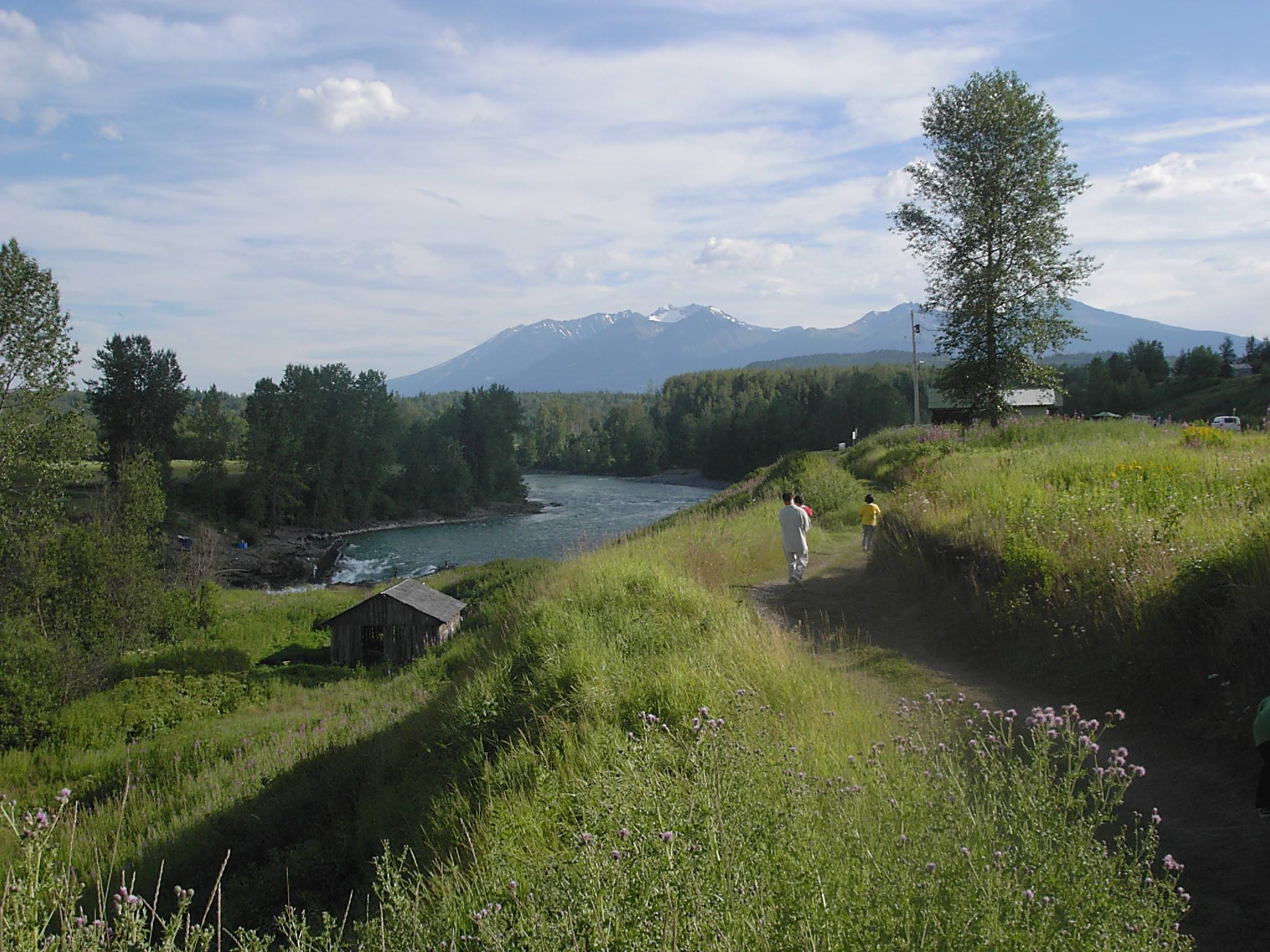
The value of Columbia River to US economy
The value of Columbia River to US economy
From an economic standpoint, the value generated by the U.S. Pacific Northwest (PNW) from the cheap, reliable hydroelectric power enabled by the Columbia River Treaty dwarfs the ~$100–$300 million annual "Canadian Entitlement" payment paid to British Columbia.
The economic return on that low-cost power operates on orders of magnitude that easily reach hundreds of billions—and globally, trillions—of dollars in market value.
1. The Asymmetry: $200 Million vs. A Regional Economy
The Cost: Paying B.C. $100 million to $300 million a year (or transferring back ~1,000–1,500 megawatts of "downstream benefit" power) is essentially a minor rounding error for the U.S. Federal Columbia River Power System.
The Return: The Canadian storage dams (Mica, Duncan, Keenleyside) act as a massive natural battery, guaranteeing consistent water flow to downstream American mega-dams like Grand Coulee and Chief Joseph.
This gives the U.S. Pacific Northwest the cheapest and most reliable wholesale industrial electricity rates in North America.
2. How Cheap Hydro Built the Tech Infrastructure Backbone
The cheap power along the Columbia River Basin directly enabled two massive economic waves:
A. The Early Industrial Base (Aluminum & Aerospace)
In the mid-20th century, cheap Columbia River hydro powered the energy-intensive aluminum smelters that built Boeing's WWII and commercial aviation fleet, establishing Seattle/Washington as a manufacturing powerhouse.
B. The Modern Data Center & AI Boom
Over the past 20 years, technology giants (Google, Meta, Amazon, Microsoft, and Apple) flocked to the Columbia River towns—such as The Dalles, Prineville, Boardman, and Quincy—turning Oregon and Washington into one of the world's dense clusters of hyperscale data centers.
Why the Columbia River? Hyperscale data centers require gigawatts of uninterrupted power and vast amounts of cooling water.
The Valuation: These data centers host the cloud infrastructure (AWS, Azure, Google Cloud) that runs the global digital economy and modern Generative AI, powering companies with a combined market capitalization in the trillions of dollars.
3. Avoided Flood Damage: The Hidden Billions
Beyond electricity, the water storage in B.C. saves the U.S. billions in avoided catastrophic flooding.
Before the 1964 treaty, flooding along the lower Columbia regularly wiped out infrastructure (such as the 1948 Vanport Flood, which destroyed Oregon's second-largest city in hours).
Controlling water in Canadian reservoirs protects the massive agricultural, industrial, and urban infrastructure of Portland, Oregon, and the Vancouver, Washington metro area.
Why the U.S. Still Pushed to Renegotiate
Despite the overwhelming net benefit, American utilities (like the Bonneville Power Administration) argued that the original 1964 calculation formula was out of date.
They argued that modern U.S. power grids rely heavily on gas and renewables now, meaning Canadian water storage adds less incremental power value today than it did in the 1960s. This is why the 2024 Agreement-in-Principle reduces the power entitlement sent back to B.C. by roughly 38% to 44%, while adding a fixed direct U.S. payment for flood control through 2044.