
奶黃釉 - 早期英囯瓷器中的最高水平
2026-5-23
早年的英國瓷器,一直都在模仿中國粉彩瓷器,並試圖彎道超車,可惜的是沒有掌握真正的硬瓷技術。但英國陶工另闢蹊徑,利用長石、硝石、鈣化的碎麋鹿角(後演變為骨粉)等物質與黏土混合,製造出軟瓷(Soft-paste porcelain)和精陶。在歷史上被稱為利茲奶黃釉(Creamware)以及早期切爾西(Chelsea)、鮑爾(Bow)等窯廠生產的軟瓷,以極其精湛的瓷畫技術和獨特的溫潤釉色,模仿的惟妙惟肖賞心悅目,也模仿出了自己的特色,尤其是瓷畫技術,是當時歐洲瓷器中的最高水平,完美契合了當時歐洲貴族階層追求優雅、內斂的審美,反而比冰冷刺眼的純白硬瓷更具親和力。加上價格優勢,在歐洲瓷器史上留下了濃墨重彩的一筆。
1770年的中國外銷瓷 - 景德鎮粉彩瓷器(大都會博物館藏,Hans Syz,1894-1991, Collection)
The tea service (67.192.1a, b–.16) is an example of "Mandarin" porcelain, painting done in imitation of Chinese export ware with figures in pink, red and blue. It was a style taken from Chinese drawings and used at the Bristol and Worcester factories as well.(大都會博物館藏,Hans Syz,1894-1991, Collection)。
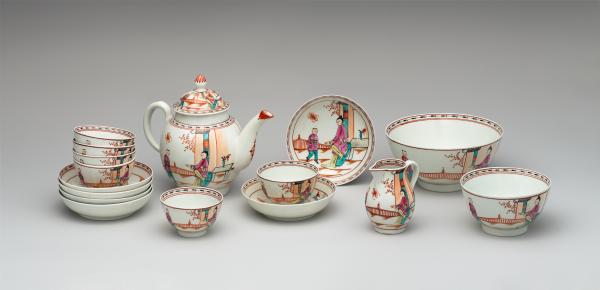
Lowestoft (British, 1757–ca. 1803)
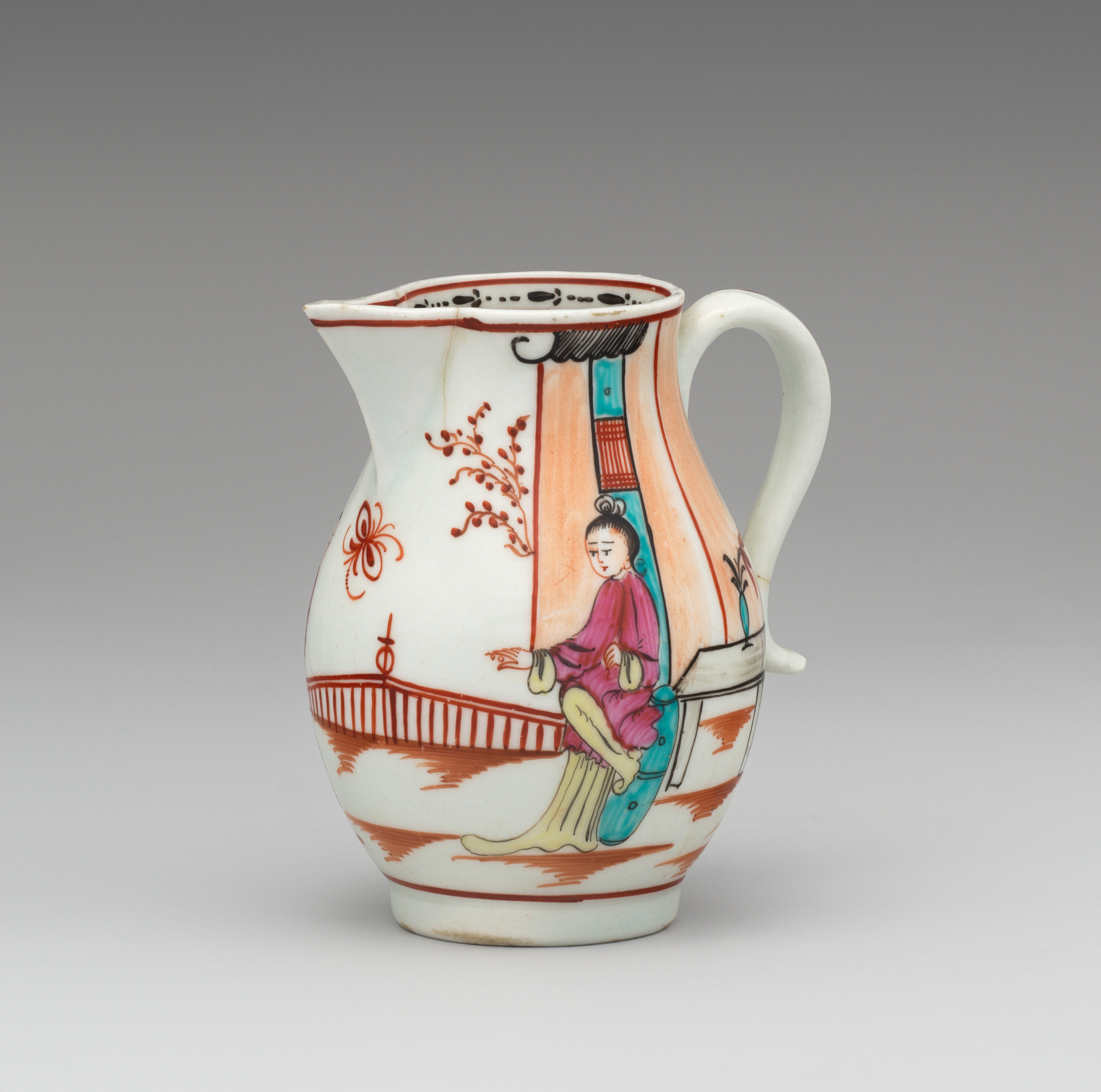
The term "chinoiserie" refers to an 18th-century European style inspired by the art of China, Japan, and other Asian countries. In Britain, porcelain imported from China and Japan was extremely fashioinable and highly coveted. This caused British factories to imitate Asian wares, both by copying Asian originals, but more often by creating their own imaginative "chinoiserie" designs. The chinoiserie style was at its height in Britain in the 1750s and 1760s. It is related to the rococo style, which was also characterized by asymmetry and an element of fantasy. In British porcelain, it is not uncommon to find objects that combine both aspects of chinoiserie and rococo.
以至於在蓋蒂博物館裏收藏的世界級名畫中,都有此類的茶具入畫:
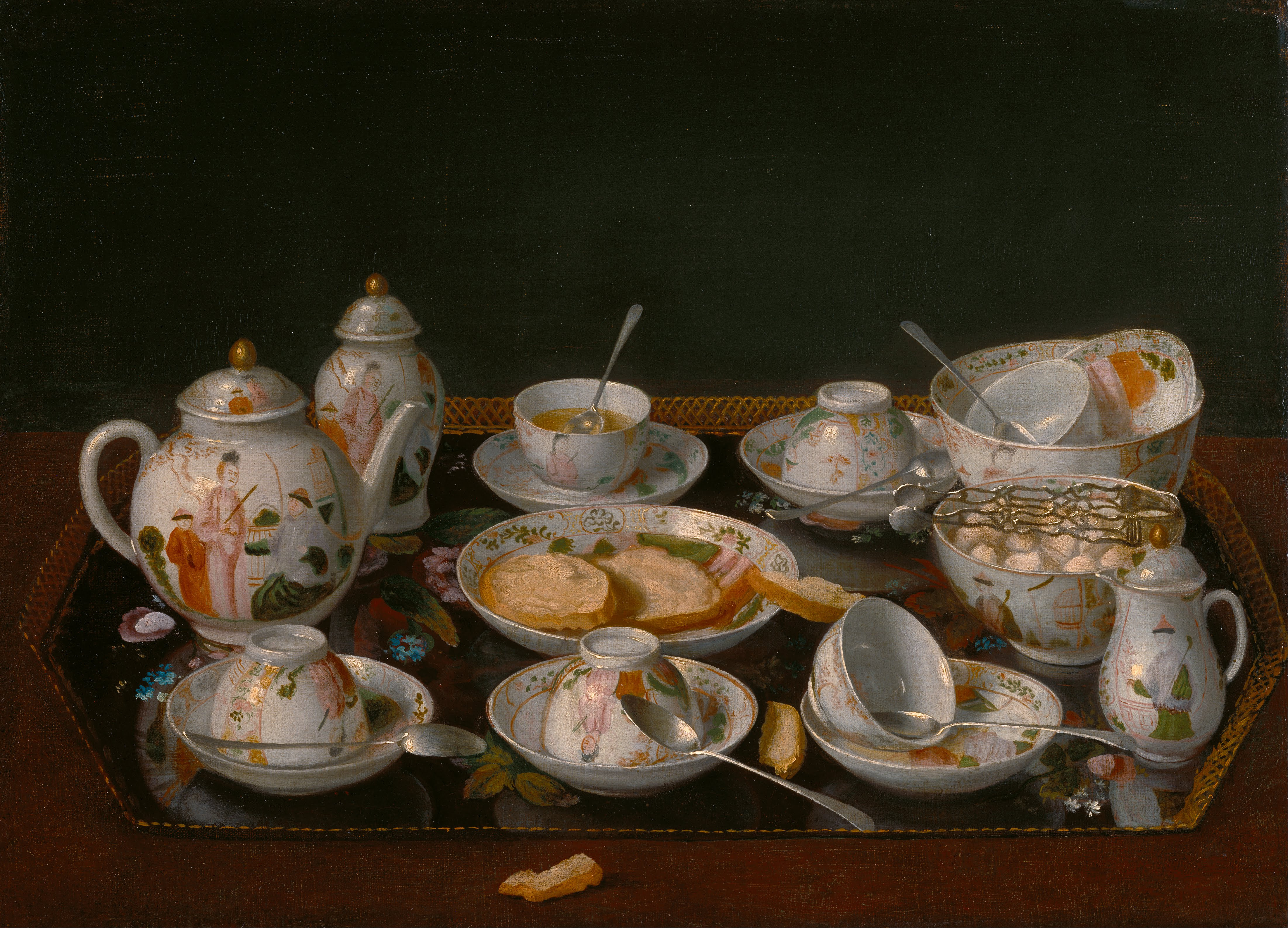

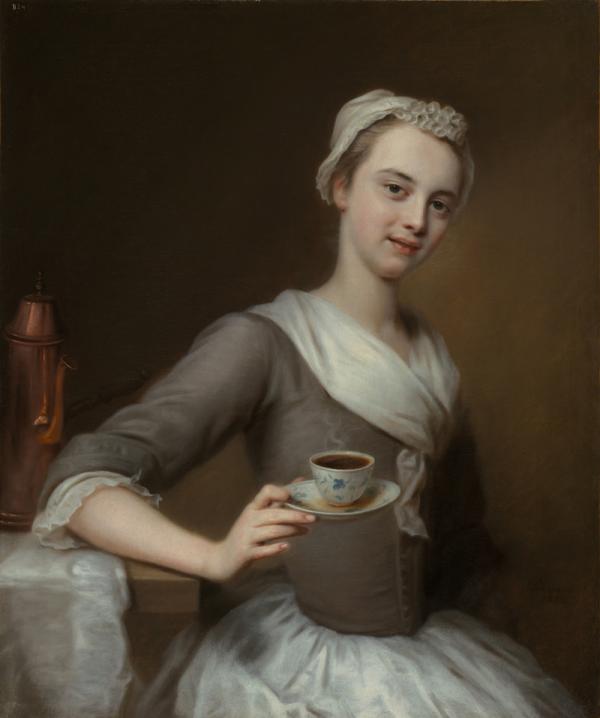
瑞典天才畫家Jean-étienne Liotard(1702 - 1789)和他的作品