80后的金正恩有智慧、有勇气、有能力
【宏观世界】
80后的金正恩有智慧、有勇气、有能力
The Post-80s Kim Jong-un Possesses Wisdom, Courage, and Capability
——简评朝鲜新宪法删除有关祖国统一表述
— A Brief Commentary on the Deletion of "Fatherland Unification" Expressions in North Korea's New Constitution
Archer Hong Qian
2026年5月8日于温哥华
路透社、韩联社2026年5月6日电:据韩国政府公布的消息,朝鲜最高人民会议在3月份通过的新宪法,不再包含“祖国统一”的表述,并明确了与韩国之间的正式边界。新宪法明确将朝鲜定义为与韩国完全分离的主权国家,而非处于分裂状态的“北半部”。专家认为,金正恩的“两国论”由此体现在宪法中。2026 年修宪核心内容:
废除“祖国统一”表述:新宪法删除了所有关于“祖国统一”、“民族团结”及“北半部”等传统表述。
明确领土边界:首次在宪法中新增领土条款,明确规定朝鲜领土“北接中俄,南接大韩民国”,正式承认韩国为主权国家而非待统一的地区。
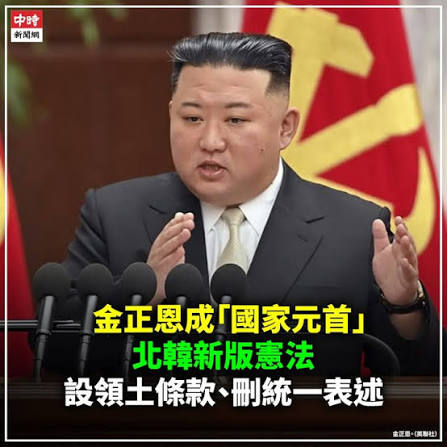
国家元首地位:将国务委员会委员长(由金正恩担任)的法律身份从“最高领导人”升级为明确的“国家元首”。
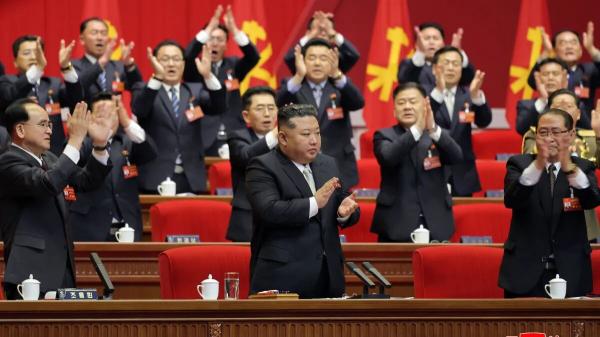
核指挥权:朝鲜将自己定义为“负责任的核武器国家”,宪法首次明确规定国家元首掌握最高核指挥权。
“去革命化”与政治术语调整:删除了“金日成-金正日宪法”等称谓,并大幅删减关于前领导人的“革命功绩”叙述。
正式将“人民大众第一主义”写入宪法作为核心指导思想。删除了具有强烈冷战色彩的敌对词汇,如“帝国主义侵略者”等。
朝鲜宪法1972 年颁布以来历次修订概况,经历过多次以时俱进修订,以适应不同领导时期的政治需求:
修订年份 | 主要影响/内容 |
2026 年 | 确立“两国论”,删除统一表述,确立金正恩国家元首地位。 |
2023 年 | 将“核武力政策”写入宪法。 |
2019 年 | 强化国务委员会委员长的职权,不再担任最高人民会议代表。 |
2012 年 | 在序言中加入“拥核国家”表述。 |
1998 年 | 将金日成尊为“永远的主席”,确立“金日成宪法”。 |
1972 年 | 颁布《社会主义宪法》,取代 1948 年版,正式确立主席制。 |
关键是修订后的宪法第二条规定,朝鲜的领土包括“北部与中华人民共和国和俄罗斯联邦、南部与大韩民国接壤的领土,以及基于此划设的领海和领空”。
看来,这将是朝鲜一次真正的改变(Change - Transform)。
难吗?确实很难,甚至难于上青天!
但说易,也易,老子早就发现:“天下大事必作于细,天下难事必作于易”!
就这样,“朝鲜人民民主共和国”,接受“大韩民国”存在的事实,通过一次修宪会议,在法理上解决了!就像ROC台湾的“宁静革命”(政治体制改革),通过1990年6月28日至7月4日,一次“国是会议”确立下来一样!
关键是看当局者迷不迷、懦不懦?!看手握国之重器者,是不是以强凌弱者的懦夫?!更考验当权者有没有智慧、勇气和能力?!
让我们简单回顾一下朝韩两国的来龙去脉,一句话:75年前的朝鲜战争从未真正结束。
总况:1950年6月25日爆发的朝鲜半岛战争历时3年,其间数百万人丧生。1953年7月27日美国支持下的韩国和中苏支持下的朝鲜签署了停战协议,南北以三八线为界,朝鲜半岛彻底分属两个不同政权。
1950年6月25日,朝鲜人民军越过38线向南部挺进,并在短短数天内控制了朝鲜半岛绝大部分地区,而这一突袭也宣告战争的正式开始。朝鲜战争历时37个月,据估计近450万人在战争中丧生。
战争之前:1910年起,朝鲜沦为日本殖民地。1945年二战结束后,朝鲜半岛陷入分裂状态:北纬38度线以北受苏联控制,38度线以南受美国控制。1948年8月大韩民国宣布建国。同年9月9日,金日成领导下的朝鲜人民民主共和国成立。
联合国的干预:在北朝鲜方面越过38线后,联合国在美国的迫切要求下,派遣军队支援韩国。该部队由20国组成,共4万人,其中美军人数为3万6千。联合国部队迅速扭转了此前的不利局面,很快就拿下了几乎整个半岛。
1950年9月15日,美军将领道格拉斯·麦克阿瑟(Douglas MacArthur)指挥下的联军部队成功在西南部港口城市仁川附近登陆,由此切断北部的供应枢纽。不久后,联军重夺汉城,并在10月中旬控制了平壤。此时战争似乎已经接近尾声,但中国随后的出兵让局势再度生变。
毛泽东派兵入朝:中国于1950年10月中旬出兵,开始进入朝鲜只是少量支援力量。10月底,毛泽东开始大规模派遣“抗美援朝志愿军”参战,同年12月5日,中朝军队夺回平壤——这个冷战时期唯一曾被西方军队占领的共产主义国家首都。
麦克阿瑟失宠:1951年1月,中国(40万人)和朝鲜(10万人)组成的联合部队发起了大规模攻势,进一步击溃了联军。此后,“不听招呼”的麦克阿瑟被美国总统杜鲁门于1951年4月被调离。继任者是马修·李奇微(Matthew B. Ridgway)。
旷日持久的阵地战:1951年中期,朝鲜半岛南北部基本回到战前格局,此后南北双方陷入了两年激烈的阵地战。尽管和平谈判在1951年7月已经开始,战争一直延续到了1953年夏天。
两种政体间的战争:朝鲜战争被认为是第一场代表着东西方体制对抗的战争。支援韩国的部队大部分来自资本主义阵营的美国,支援朝鲜的则来自社会主义阵营的中国和苏联。
满目疮痍的朝鲜:自开战起,朝鲜战争中狂轰滥炸不断。三年时间里,联合国军对北部的空中袭击超过100万次,使用炸弹数量约45万吨,其中也包括凝固汽油弹。这给朝鲜带了极大破坏,几乎所有主要城市都被夷为平地。
伤亡人数:1953年联军部队从韩国撤退时,战争死亡人数已上百万。针对阵亡士兵数目,各种说法不一。分析估计,战争中身亡的有50万左右朝鲜士兵、40万中国士兵,以及4万联合国军——其中90%以上是美国士兵。
小而关键的转折点:早在战争仍在进行的1953年4月中旬至5月初,交战各方就进行了囚犯交换。南方交出七万五千名朝鲜人和六千七百名中国人;北方放回了一万三千五百人,其中包括八千三百名韩国士兵和超过三千七百名美国大兵。
停火但未实现和平:在1951年7月的停战谈判开始近两年后,交战各方终于签署了板门店协议:规定朝韩以北纬38度线为界,这也巩固了朝鲜半岛的分属两个政权的格局。尽管停火,但南北双方一直没有签署和平协议,也就是说,从国际法角度上两国仍处于战争状态。
朝韩间的无人区:尽管两国边界的门板店风景如画,直到今天,沿着三八线的250公里长、4公里宽的非军事区仍然受到士兵的严格把守,驻守在三八线两侧的朝韩士兵每天都处于对峙状态。
修订后的宪法第二条款还称,朝鲜“绝不容忍任何侵犯”其领土的行为,但并未具体说明其与韩国的边界位置,也未明确提及存在争议的海上边界,例如黄海与中国的北方界线。
新版宪法并未写入将韩方定性为“敌对国”的内容,之前的“帝国主义侵略者”、“海内外敌对分子搞破坏的阴谋”等充满敌意的表述也消失不见。
金正恩于2023年底将南北关系宣告为“敌对的两国”关系,并于2024年1月呼吁修改宪法。今年2月,他再次排除了与韩国进行对话的可能性,并表示,朝鲜不再将韩国视为“同胞”。
比较一下,朝韩两国法理上与PRC和ROC一样,无和平协议,但事实上,不如PRC和ROC还有1990年初至中近六年的经贸蜜月期,那么现实中呢?有什么可纠结的,放不下?
谁想要“国家元首”头衔?没问题啊!一国国民养一个既要权,又要钱,还要性命的庞大政治集团,肯定养不起,但是一国人民,供奉一个为国家社会建设立下不世功勋的元首家族,相比之下,不过是毛毛雨啊!
没啥不服气的,这点事儿都不服气,就要坏大事,想想东方光荣革命后1913年的“二次革命”和1916年袁宫保之死,中华民国及后来中华人民共和国居民,至1990年代几代人的遭罪,不就是因为那点不服气、小心眼,惹的祸吗?!
再想想1689年的订立《权利法案》和《宽容法案》的英国,請个荷兰人来当元首(甚至双元首)又有何不可?照样成为世界现代政治文明、工业文明的发祥地和自由之邦吗?!
这就是我2003年在一篇《答中国共产党中央机关报理论版负责人问》(刊美国《New World Times》,2006,后收入《和解的年代:从共产主义到共生主义》,香港新文化出版图书公司,2007;再部分收入《中国:共生崛起》。知识产权出版社,2015.5)的文章中,为什么郑重提出“社会元勋立宪制共生国”的原由。
对这个金正恩,不管他懂不懂“和实生物”,但他一定悟到了“同则不继”,不能不点赞一个:“自古英雄出少年” 先!
从交互主体共生(Intersubjective Symbiosism)新思路出发,我一直在对幼儿教育工作者说:孩子是大人的老师,切记切记!!!
还是回到PRC和ROC,敢问路在何方?
我意还是:“进一步,海阔天空!” http://symbiosism.com.cn/12099.html
不是吗? [微笑]
(Macro World)
The Post-80s Kim Jong-un Possesses Wisdom, Courage, and Capability
— A Brief Commentary on the Deletion of "Fatherland Unification" Expressions in North Korea's New Constitution
By Archer Hong Qian
May 8, 2026, in Vancouver
Reuters and Yonhap News Agency (May 6, 2026): According to information released by the South Korean government, the new constitution passed by North Korea’s Supreme People's Assembly in March no longer contains expressions of "fatherland unification" and has explicitly defined a formal border with South Korea. The new constitution clearly defines North Korea as a sovereign state completely separate from South Korea, rather than the "Northern Half" of a divided nation. Experts believe that Kim Jong-un’s "Two-State Theory" is now codified in the constitution.
Core Content of the 2026 Constitutional Amendment:
Abolishing "Fatherland Unification" Expressions: The new constitution has removed all traditional terms such as "fatherland unification," "national unity," and "Northern Half."
Defining Territorial Boundaries: For the first time, a territorial clause has been added to the constitution, explicitly stating that North Korean territory "borders China and Russia to the north and the Republic of Korea to the south," formally recognizing South Korea as a sovereign state rather than a region awaiting unification.
Status of the Head of State: The legal status of the Chairman of the State Affairs Commission (held by Kim Jong-un) has been upgraded from "Supreme Leader" to a clearly defined "Head of State."
Nuclear Command Authority: North Korea defines itself as a "responsible nuclear-weapon state," and the constitution explicitly stipulates for the first time that the Head of State holds the supreme command of nuclear forces.
"De-revolutionization" and Adjustment of Political Terms: References such as the "Kim Il-sung–Kim Jong-il Constitution" have been removed, and narratives regarding the "revolutionary achievements" of former leaders have been significantly reduced.
Ideology: "People-to-People Firstism" (People-First Doctrine) has been formally written into the constitution as the core guiding ideology. Hostile terms with strong Cold War overtones, such as "imperialist aggressors," have been deleted.
Overview of North Korean Constitutional Amendments (Since 1972)
The constitution has undergone several updates to adapt to the political needs of different leadership eras:
Year | Key Impact / Content |
2026 | Established the "Two-State Theory," deleted unification terms, and confirmed Kim Jong-un as Head of State. |
2023 | Codified "Nuclear Force Policy" into the constitution. |
2019 | Strengthened the powers of the Chairman of the State Affairs Commission. |
2012 | Added "nuclear-armed state" to the preamble. |
1998 | Honored Kim Il-sung as the "Eternal President" and established the "Kim Il-sung Constitution." |
1972 | Promulgated the "Socialist Constitution," replacing the 1948 version and establishing the Presidency. |
Article 2 of the revised constitution crucially stipulates that North Korea's territory includes "territory bordering the People's Republic of China and the Russian Federation in the north, and the Republic of Korea in the south, as well as the territorial waters and airspace established based on this."
It appears this will be a genuine Change and Transformation for North Korea.
Reflection and Comparison
Is it difficult? Indeed, it is extremely difficult! But as Laozi discovered: "Great undertakings under heaven must start from the minute; difficult tasks must start from the easy."
In this way, the "Democratic People's Republic of Korea" has accepted the reality of the existence of the "Republic of Korea." This was resolved legally through a single constitutional amendment session, much like the "Quiet Revolution" (political system reform) of ROC Taiwan was established through a single "National Affairs Conference" from June 28 to July 4, 1990.
The key is whether the authorities are blinded or cowardly. It tests whether those who hold the "power of the state" have the wisdom, courage, and capability to act.
Historical Context:
The Korean War (1950–1953): Lasted 37 months with millions of casualties. The 1953 Armistice Agreement solidified the division at the 38th parallel.
Legal Status: To this day, North and South Korea have never signed a peace treaty; internationally, they remain in a state of war.
Comparison: Legally, the relationship between North and South Korea is similar to that of the PRC (Mainland) and ROC (Taiwan)—no peace treaty exists. However, unlike the PRC and ROC, which enjoyed a "honeymoon period" of economic and trade relations in the early 1990s, the Koreas remained in a state of strict military confrontation.
The author concludes by noting that if a leader can establish lasting achievements for national construction, the people's support for a "Head of State" title or a specific family lineage is a small price to pay compared to the suffering caused by political instability or "narrow-mindedness" seen in history (citing examples like Yuan Shikai in 1916 or the British Glorious Revolution of 1689).
Regarding the future of the PRC and ROC, the author suggests: "Take one step further, and the sea and sky will be vast."