“国家核心利益”的新认知——中国跨境资金监管与美国2025《NSS》结构性转变的启示
“国家核心利益”的新认知
Reframing“Core National Interests”
——中国跨境资金监管与美国2025《NSS》结构性转变的启示
——Insights from China’s New Cross-Border Capital Controls and the Structural Shift in America’s 2025 National Security Strategy (NSS)
钱宏(Archer Hong Qian)
2025年12月9日·温哥华
内容提要
中国自 2026 年起强化跨境资金监管,反映出在全球结构变化中重新界定“核心利益”的必要性。在全球化 3.0 时代,国家安全正从“地缘控制”转向“资源能效、产业韧性与社会稳定”。在此框架下,谋求或强求“统一台湾”并非中国确保长期实力安全与和平繁荣的核心利益。
相反,若北京能够在现实结构下采取“对等承认 ROC 台湾”之战略选择,将有效缓解外部安全焦虑,减少内部财政与制度压力,使资源回流国内真正的安全基盘。
此举并非妥协,而是顺应美国 2025《国家安全战略》所确立的时代逻辑:“实力安全,和平繁荣”(Peace through Strength and Symbiotic Prosperity)。当中国将核心利益定位于社会稳定、产业升级、人民福祉时,方能避免战略误判,并与国际社会建立更可持续的互动结构。
China’s tightened cross-border capital controls in 2026 underscore the need to redefine its “core national interests” amid a shifting global order. In Globalization 3.0, national security is moving from territorial fixation toward resource efficiency, industrial resilience, and social stability. Within this framework, seeking—or forcing—“unification with Taiwan” is not essential to China’s long-term security or symbiotic prosperity.
Conversely, adopting a reality-based “mutual recognition of the ROC Taiwan polity” would ease external strategic pressure and reduce China’s internal fiscal and institutional burdens, allowing resources to reinforce its genuine security foundations.
This is not a concession but alignment with the strategic logic of the U.S. 2025 NSS: Peace through Strength and Symbiotic Prosperity. Repositioning China’s core interests toward stability, upgrading, and public well-being will prevent strategic miscalculation and create a more sustainable relationship with the international community.
目录
导言:新格局 · 新认知 · 新定位
Introduction: A New Landscape · A New Cognition · A New Positioning
一、跨境监管越来越严,并不是关键变量,而是结构病灶的“条件反射”
I. Tightened Cross-Border Controls Are Not the Key Variable but a Reflex of Structural Illness
金融监管理念日趋严格,并非根本原因,而是制度压力、外部冲击与内部焦虑的自动反馈。
二、真正决定未来的,是“核心利益重新定位”
II. The Factor That Determines the Future Is the Redefinition of Core National Interests
一个国家选择什么作为核心利益,将决定其未来三十年的命运走向。
三、为什么 NSS(2025)让各国核心利益变得更清晰?
III. Why the U.S. NSS (2025) Makes Every Nation’s Core Interests Clearer
美国以“实力和平、和平繁荣”重新定义全球秩序,迫使各国面对自身能力结构与战略现实。
四、全球化 3.0:不是美国要什么,而是各国已无路可退
IV. Globalization 3.0: Not What the U.S. Wants, but What Nations Cannot Avoid
国家不再能依靠旧秩序生存,必须进入一个以自组织、责任与结构平衡为核心的新阶段。
五、全球化 2.0 已终结,“强求统一台湾”属旧范式叙事残影
V. Globalization 2.0 Has Ended; “Forcing Unification with Taiwan” Is a Residual Narrative of the Old Paradigm
旧时代的领土崇拜式叙事在新的结构环境下已不具备现实意义。
六、全球化 3.0 的核心是“结构稳定性”,而不是领土扩张
VI. The Core of Globalization 3.0 Is Structural Stability, Not Territorial Expansion
真正的国家安全来自财政稳定、制度韧性、产业升级与社会信任,而不是新增领土。
七、对等承认 ROC 台湾,是 PRC 进入全球化 3.0 的“入场券”
VII. Mutual Recognition of the ROC Taiwan Is the PRC’s “Admission Ticket” to Globalization 3.0
承认现实政治结构是国家进入新国际体系的必要条件,而不是让步。
八、ROC 台湾政体是政治现实,不是“政治观点”
VIII. The ROC Taiwan Polity Is a Political Reality, Not an Ideological Opinion
事实已经存在 80 年:战争结束、双方都放弃“反攻”与“解放”,政体结构已经稳定。
九、对等承认 ROC 台湾,才符合 PRC 大陆的“核心利益”
IX. Mutual Recognition of the ROC Taiwan Best Serves the PRC’s Core Interests
它减少战略风险、降低财政负担、提升国际信任,并稳固大陆的长期安全。
十、对等承认台湾,是最省成本、最安全的“实力巩固”
X. Mutual Recognition Is the Lowest-Cost and Safest Form of Power Consolidation
无需动武、无需对抗,却能换得战略空间、经济稳定与国际信誉。
十一、对等承认台湾,是实现“和平繁荣”的唯一可持续路径
XI. Mutual Recognition Is the Only Sustainable Path Toward “Peace and Prosperity”
这不是退让,而是结构性顺势,是全球化 3.0 的文明逻辑。
十二、回到“怎么办?”真正的答案是:重新定义核心利益
XII. Returning to the Question “What Should We Do?” — The Real Answer Is: Redefine Core Interests
核心利益若定位错误,一个国家将长期在错误轨道上消耗;定位正确,则进入结构性上升通道。
结语:阿特拉斯会耸肩,但不会放弃天穹
Conclusion: Atlas May Shrug, but He Will Not Abandon the Heavens
美国不会抛弃世界秩序,中国也不必选择对抗或冒险;
在全球化 3.0 的结构现实下,唯一可持续的道路,是智慧、责任与对现实的尊重。
导言:新认知,新格局,新定位
据悉,为了补齐过去跨境小额资金监管的漏洞,中国人民银行、国家金融监督管理总局和中国证监会联合发布的《金融机构客户尽职调查和客户身份资料及交易记录保存管理办法》,从2026年1月1日起,中国的跨境汇款将正式进入“最严监管时代”:5000¥(1000$)以上需实名核查!有人说,不排除还会把口子收得更小(1000¥/100$),那就基本意味着跨境资金流动(主要是流出)将进一步“锁死”,几乎相当于“关门”。
我想,即使如此,那又会怎样?
按照Archer《国家的转捩点——简评2025美国National Security Strategy(NSS)》(http://symbiosism.com.cn/11246.html)的分析,美国作为世界经济、政治、军事实力最强国,在其新的战略定位构架下,中国金融关口再严、跨境金额再小,只是技术动作。真正决定国家政权命运的,不是这些,而是:如何定位自身的“核心利益”?正所谓“安民之本,位于择交”!
我就直说了吧!
其实,只要“PRC大陆”当权派放下“历史包袱”,不继续把"PRC核心利益"定位在谋求统一“ROC台湾”的“越位行为”,来证明自己的合法性。
而是重新把自己的“自身核心利益”定位在结束皇权和专制的人民共和国“对内开放,民生为大”上,哪怕是“内卷外敛”(好听点说“肉烂在锅里”,包括放国民、社会一条有限而明确的生路),甚至干脆定位在“政权稳定为大”(包括制度化约束冗官、冗兵、冗费的殖官主义规模,比如象日本政府那样定期公布官员财产),还真能再续命很长时间!
多说一句,“ROC台湾”这一政治格局,自1945年以来,已经事实存在80年,特别在1996年真正实现了“主权在民”的历史性Transformation,而且,蒋经国先生之后至今的5任领导人早已放弃“反攻大陆”和“三不政策”,等于事实承认了作为“僭越者”的PRC在大陆的法理存在,接下来,是否“对等承认”取决于国际格局的变化,更取决于PRC领导人的历史与时代认知(其实,如果有足够的智慧、勇气和能力,“对等承认”,不过是个“中国式礼仪”问题)
很简单,在川普的美国新NSS中,找不到PRC意识形态历来宣称的“忘我之心不死”的动机和叙事。而只要回归“主权在民”的国际国家叙事,“实力安全,和平繁荣”就是包括美国在内的国际社会的必由之路,也是亚当斯密“经济学”三重和平的要义(参看《共生经济学:回到亚当斯密“和平经济学”原点再出发 Symbionomics: Returning to Adam Smith’s Vision of “Peace Economics”》 http://symbiosism.com.cn/10987.html)。
所以,接下来,包括中国在内的各个国家明确什么是自己的“核心利益”定位?国家核心利益定位正误,乃是决定政权“法理存立”的关键所在,包括对国际新格局、自身制度及文化适应性认知上,容不得半点偏蔽!
那么,中国怎么办?为什么“关门”并不决定“存立危机”?为什么关键在“核心利益重新定位”?
一、跨境监管越来越严,并不是关键变量,而是结构病灶的“条件反射”
跨境资金 5000 RMB / 1000 RMB 就要实名核查,并非战略主动,而是:
外循环疲弱后的政策反射;
资本控制体系不得不强化的延续性动作;
在财政紧张、债务高压与外部恐慌下的本能收缩;
对国内外流动性不确定性的“保命式反应”。
但这些,都不是“国运的决定性因素”。
因为关门 ≠ 崩溃。很多国家政权,如朝鲜、伊朗、古巴,关门几十年,也还在。
真正的危险,不在治理技术(数字监控)的动作,也不在是否有创新,而在:一个国家如何定位自己的“核心利益”?是否定位精准,视其能否“择交安民”!
二、真正决定未来的,是“核心利益重新定位”
PRC 过去十年最大的战略风险,不是经济危机,也不是外部压力,而是:
把“政权合法性的核心利益”,继续定位在对ROC 台湾“霸王硬上弓”,并强求国际社会认同。这是一种越位型战略定位:
把外部对象视为自我合法性的前提;
把强制统一视为“历史终极任务”;
把国际承认视为“必须封杀的对象”;
将国家叙事从“主权安存”变成“扩张性自证”。
这种“越位型核心利益”,是所有战略误判的根源。相反,如果把核心利益重新定位,哪怕是:
① 内卷外敛(肉烂在锅里)
给国民和社会一条有限但明确的生路;
确保经济不塌,社会不炸,财政不崩。
② 政权稳定(收缩殖官规模)
降低冗官、冗兵、冗费;
减少制度成本与社会勒索。
③ 不越位、不误判、不挑衅
不把自身推入结构对抗的极限区;
不把 ROC 台湾视为“合法性绝对核心”。
那么:PRC 就能延命十年、二十年,甚至更久。美国也不会主动推倒它。这就是“核心利益定位”的真正意义。
三、为什么 NSS(2025)让什么国家核心利益变得更清晰?
2025 年川普发布的《国家安全战略》(NSS)标志着:
美国五十年来第一次进行大战略的系统重构。
战略核心:
Flexible Realism(灵活现实主义)
重点不是“扩张性国际主义”,更不是“意识形态输出”,而是三个极其现实的问题:
第一,美国究竟要追求什么?
不再追求“永久主导世界”,
只需“以美国示范为核心的平衡秩序”。
第二,美国的资源能支撑什么?
资源有限,必须聚焦印太 + 西半球,
不能再养“免费盟友”或“无底洞对手”。
第三,如何让“目标 × 能力”之间建立可持续连接?
减负、卸责、收缩义务,
强调“可持续国力结构”。
换句话说:
美国没有“趁机灭中国”的动机;
美国也不会做“全球民主救赎者”;
美国只要 PRC 不越界,就不会主动引爆冲突。
所以我说:“川普的安全战略中,找不到‘忘我之心不死’的叙事。”
四、全球化 3.0:不是美国要什么,而是各国已无路可退
NSS 的本质是:
为全球化 3.0 定下“实力和平,和平繁荣”的结构性基调。
对所有国家(包括 PRC),都意味着,这是一次“不得不选择”的转捩点:
要么有智慧、有勇气进入新秩序,获得安全与繁荣;
要么在误判中自我孤立,成为挑事者与失败者;
千万不要误以为“权力真空是机会”,那是陷阱。
这是每个国家的“历时性与共时性双重选择”。
五、全球化 2.0 已终结,“强求统一台湾”属旧范式叙事残影
以“自由贸易”幻像为核心的全球化 2.0,崇尚的是:
大市场(market-first)
大资本(capital-first)
大叙事(sovereignty-first, ideology-first)
这种结构,天然以国家规模、产业与领土扩张为逻辑延伸,因此“谋求统一台湾”在 2.0 的叙事体系下显得“合理”。
但今天进入全球化 3.0:
从规模转向结构,从扩张转向自组织,从霸权转向对等交易,从领土支配性思维转向主体间性思维(intersubjective thinking)。
在这个结构中:
谋求统一,不再是现代国家的必要性;而和平共同繁荣,才是全球系统运作的基本条件。这也是俄罗斯当权派应当记取的教训。
这使得“对等承认台湾”成为新的系统需求。
六、全球化 3.0 的核心是“结构稳定性”,而不是领土扩张
全球化 3.0 要解决的,不是“谁更大?谁更强?”,而是:
供应链稳定(supply-chain resilience)
价值链协同(value-chain synergy)
技术生态互联(tech ecosystems)
区域安全自组织(self-organized regional order)
台海稳定是这四大要素的交叉点。而事实是:
“维持台湾作为一个自主政治实体的存在”,才是东亚与全球供应链得以持续的基础条件。
因为台湾是:
全球半导体核心节点
东亚航运生命线
美日安保结构的关键拼片
民主世界的象征性缓冲
任何强求“统一台湾”的动作都会带来系统性震荡:
全球供应链断裂
美国与日本的区域结构失衡
东亚安全架构整体倾覆
世界市场巨震
国际资本撤离中国
这与全球化 3.0 的核心逻辑完全矛盾。因此:
为了让全球系统正常运作,“台湾必须以一个被承认的主体存在”。无论承认者是谁,都将获战略主动之益(参看《进一步,海阔天空!Take a step forward and find a clearer situation——关于“PRC–ROC对等承认”的大情势与可能路径的结构性观察 Structural Observation on the Grand Trend and Possible Path of “PRC–ROC Reciprocal Recognition”》 http://symbiosism.com.cn/11124.html)。
七、对等承认ROC台湾,是PRC进入全球化3.0的“入场券”
PRC大陆若想进入全球化 3.0 的核心赛道,需要满足:
区域可预测性(predictability)
风险可控性(risk-containment)
国际信任度(global trust index)
经济开放度(economic permeability)
而强求统一台湾将直接破坏以上四项,使中国在美国示范的全球化3.0中边缘化。相反:
对等承认台湾,会让 PRC 获得四大战略红利:
1. 东亚风险指数急速下降
台海不再是火药桶,中国经济与金融风险立即降低。
2. 国际资本重新回流中国
外资最怕地缘政治危机,台海稳定后,中国的投资吸引力重新增强。
3. 美国对中国的战略戒心下降
台海危机是美中日菲冲突的最大触发点;一旦解除,中国的国际压力大幅缓解。
4. PRC 获得“负责任大国”的国际叙事权
对等承认台湾,彻底解构了“一国论”“两国论”的模糊性麻烦;但会让世界看到,中国选择的是“和平繁荣逻辑”,而非“零和征服逻辑”。
这本质上是一种 战略成熟(strategic maturity)。
八、最后,ROC台湾政体是政治现实,不是“政治观点”
从1945年到2025年的历史沿革:
ROC台湾1945年以来80年连续自治
1996年主权在民“总统直选”
2300万选民拥有国家主体意识
台湾经济高度国际化
台湾与全球科技网络深度捆绑
国际社会不愿看到台海动荡
这些都指向一个事实:
台湾已经是区域系统性节点(systemic node),不是任何单一国家可以随意吞并的目标。
因此,PRC大陆与ROC台湾,不管谁“先来后到”,别扯“父子君臣”,对等承认,不是选择题,而是:
“标榜主权在民共和制的现代生活方式”的最理性路径。这种关乎主权国家分而治之的情况,世界并不缺成功的先例,比如瑞士联邦与德国、法国、意大利,荷兰与西班牙,美国与英国,新加坡与马来西亚,波罗的海三国、中亚五国、南高加索的格鲁吉亚、亚美尼亚、阿塞拜疆三国、白俄罗斯、乌克兰与俄罗斯联邦……
九、对等承认ROC台湾,才符合PRC大陆的“核心利益”
判断任何国家的“核心利益”,必须回到三个最基本的战略原则:
实力安全(security of strength)、和平繁荣(peaceful prosperity)、可持续发展(sustainability)。
凡是削弱这三者的,不可能是核心利益;凡是强化这三者的,才是。从这个角度重新审视PRC大陆对ROC台湾的态度和认知,就会发现一个被长期忽略、但最符合现实利益的结论:
象蒋经国先生之后的ROC台湾领导人已经表现的那样,对等承认ROC台湾的合法地位,反而更符合PRC大陆的核心利益。
因为它同时满足:
国际系统稳定
区域安全结构平衡
全球供应链可持续
PRC 的现实利益最大化
美国和日本的战略需求
台湾人民的主体性
全球化3.0的价值基础(交互主体共生)
这使得“对等承认 ROC 台湾”成为一个时代趋势,而非政治幻想。
全球化 2.0 的旧逻辑需要强求统一;全球化 3.0 的系统逻辑需要对等承认。
这不是意识形态判断,不是民族情绪判断,不是历史情绪判断,而是全球结构转型运作的必然。
所以,强求“统一台湾”不能解决任何实际问题:高房价、地方债务、财政压力、青年失业、科技瓶颈、老龄化……统统不会因为统一而变好。但对等承认台湾:
直接解除台海军事压力;
释放大量财政与军费;
让国家专注改善民生;
让政府回到发展与治理的主轴;
强化政权安全与社会稳定。
这才是真正的可持续核心利益。更进一步的认知,包括以下几个部分。
十、对等承认台湾,是最省成本、最安全的“实力巩固”
统一台湾的成本巨大:
区域战争风险
美国、日本、澳洲的军事介入
外贸制裁、科技脱钩
产业链、能源链断裂
内部财政压力与社会不稳
这些风险都直接削弱PRC的实力安全。而对等承认台湾合法地位:
避免战争;
避免军事对抗;
避免制裁;
避免财政崩溃;
释放巨大的内部治理空间。
这是最低成本、最高安全的选项。
十一、对等承认台湾,是实现“和平繁荣”的唯一可持续路径
全球化 3.0 时代,国家竞争的是:
科技软实力
产业链韧性
市场吸引力
内部治理绩效
而非通过领土扩张来证明自身。只要 PRC 公开承认:
“ROC 台湾是一个自我治理的政治体(polity),其存在并不威胁 PRC 国家安全。”那么:
台海局势立即降温;
亚太风险指数下降;
投资回流;
中国企业可重新进入全球供应链;
经济压力得到缓解;
国际形象显著改善。
这比强求“统一台湾”更能带来和平繁荣。
最后,对等承认ROC台湾不是“让步”,而是战略成熟。所以,真正的自信不是“必须统你”,而是:我强大到不需要通过“统你”来证明自己。
这才是大国的成熟姿态。
总之,强求和强行统一ROC台湾,不符合PRC大陆人民的核心利益。对等承认台湾,反而最大程度保障 PRC 的实力安全与和平繁荣。
这是战略判断,不是政治立场;是结构逻辑,不是情绪叙事。
十二、回到“怎么办?”真正的答案是:重新定义核心利益
跨境监管再严、外汇通道再小,只是政策操作。
真正决定PRC大陆命运的,是:
它是否敢于把“核心利益”重新定位。
如果核心利益继续是ROC台湾、粉饰合法性、维稳式帝国梦,那所有动作都是“自杀性结构”。
但如果核心利益变为:
内敛、收缩、生存、稳定、社会生机
约束殖官结构,确保财政与社会平衡
不误判、不越位、不冒险、不挑衅
那么:PRC还能继续延命,并不至于立刻崩坏。而且,NSS(2025)恰恰为这种“收缩型续命”留出了空间。
结语:阿特拉斯会耸肩,但不会放弃天穹
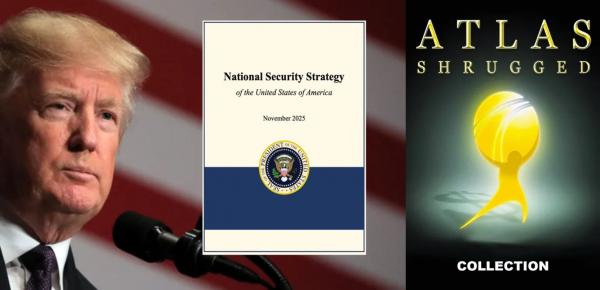
2025 NSS已经直接宣布:“美国像阿特拉斯般支撑整个世界秩序的时代已经结束”。
但我也想:阿特拉斯会耸肩,但不会放弃天穹。
这句话,是对未来世界最贴切的描述。美国不会毁灭任何国家,但也不会替任何国家承担错误。
在全球化 3.0 的结构中,各国的命运由它们自己决定。
对于PRC来说,真正的转捩点只有一个:
能否在历史的临界点上,重新定位自己的核心利益?
如果能,它将继续存续;如果不能,它会被自己的误判吞噬。
也即是:要么有智慧、有勇气、有能力争取入局,一起安全繁荣;要么成为愚蠢、怯懦、“一念之差”连累本主权辖区人民吃苦的麻烦制造者(千万别钻所谓“权力真空”的牛角尖),而自甘出局!
这才是“条件反射”式跨境监管背后的真实问题。
Reframing“Core National Interests”
Insights from China’s New Cross-Border Capital Controls and the Structural Shift in America’s 2025 National Security Strategy (NSS)
Archer Hong Qian
December 9, 2025 · Vancouver
“国家核心利益”的新认知——中国跨境资金监管与美国2025《N…
Introduction: A New Global Landscape, A New Strategic Positioning
China’s central bank, together with its financial regulatory agencies, has recently released the Measures for Financial Institutions on Customer Due Diligence and Recordkeeping of Client Identity and Transaction Data.
Beginning January 1, 2026, all cross-border transfers above 5,000 RMB (USD 1,000) will require real-name verification—with some speculating the limit may further shrink to 1,000 RMB (USD 100), effectively “closing the gate” for outbound flows.
But even if China truly “closes the gate,” so what?
As argued in Archer’s earlier analysis, The Turning Point of Nations: A Commentary on the United States 2025 National Security Strategy (NSS), China’s destiny will not be determined by tightening technical controls on foreign exchange.
The true determinant is how China defines its “core national interests.”
For, as the ancient wisdom says: “The foundation of pacifying the people lies in choosing the right relationships.”
Let us speak plainly:
So long as the PRC leadership stops treating the pursuit of “unifying ROC Taiwan” as the core of its legitimacy—an act of strategic overreach—and instead redefines its core interest as the survival, stability, and self-improvement of the “People’s Republic,” the regime could extend its lifespan significantly.
Whether through internal consolidation, bounded openness, or simply administrative self-restraint (such as reducing bureaucratic excess and financial waste, modeled after Japan’s regular disclosure of officials’ assets), the PRC can buy itself time and avoid catastrophic miscalculation.
After all, the political reality of ROC Taiwan has existed for 80 years since 1945.
Since democratization in 1996, Taiwan’s sovereignty has been rooted in “We the People.”
Five successive ROC presidents have already abandoned the “retake the mainland” myth and ceased the “Three No’s,” implicitly acknowledging the PRC’s governance over the mainland.
Whether “mutual recognition” occurs depends on changes in global structure—and on the PRC leadership’s wisdom and courage (and mutual recognition, if it comes, is ultimately just a matter of Chinese etiquette).
In the new U.S. NSS, there is no ideological impulse to “destroy China,” nor any of the PRC’s long-standing imagination of an adversary “whose selfish heart never dies.”
Instead, the NSS returns to the democratic logic of sovereignty residing in the people, highlighting the structural path of “strength-based security and prosperity-through-peace,” which echoes Adam Smith’s “Triple Peace” of political economy.
Thus, for every nation—including China—the defining question in the NSS era becomes:
How should a nation correctly identify its core interests?
A misidentified core interest brings disaster; a correctly identified one ensures structural survival.
I. Why Increasingly Tight Capital Controls Are Not the Real Issue
Real-name checks for 5,000 RMB or even 1,000 RMB cross-border flows are not strategic choices. They are reflexive responses to:
A weakening external economic cycle
Increasing necessity of capital controls
Fiscal strain and mounting public debt
Rising fear of liquidity flight
But none of these determine “national destiny.”
Closing the gate ≠ collapsing the regime.
North Korea, Iran, and Cuba have all remained intact for decades under isolation.
The real existential question is not technology or financial controls, but:
How does a nation define its core interests?
And can those interests maintain internal stability and external balance?
II. The Real Determinant: Redefining Core National Interests
The PRC’s greatest strategic risk in the last decade has not been its economy or external pressure.
It has been:
Treating “unifying Taiwan” as the core of regime legitimacy.
This is a classic form of strategic overreach, because it:
Makes external objects the basis for internal legitimacy
Treats forced unification as a “historical mission”
Demands that the international system conform to its self-definition
Shifts the national narrative from “sovereign security” to “expansionist self-justification”
This misdefined core interest is the root of all major miscalculations.
By contrast, if the PRC redefines its core interests as:
1. Internal Consolidation (“bounded inward circulation”)
Give society a narrow but real path of survival.
Prevent economic collapse and social unrest.
2. Regime Stability (reduce bureaucratic excess)
Reduce redundant officials, troops, and fiscal waste.
Lower the extractive burden on society.
3. No Overreach, No Misjudgment, No Provocation
Avoid pushing the state into an unsustainable structural confrontation.
Stop treating “unifying Taiwan” as existential necessity.
Then:
The PRC can extend its longevity by 10, 20, or even more years.
And the United States will not seek to topple it.
This is the true power of accurate core-interest positioning.
III. Why the 2025 NSS Clarifies the Meaning of “Core National Interests”
The 2025 NSS marks:
The first comprehensive restructuring of U.S. grand strategy in fifty years.
Its essence is Flexible Realism, which addresses three fundamental questions:
1. What should America pursue?
Not global dominance, but a balanced order guided by U.S. example.
2. What resources does America actually have?
Finite resources require strategic focus:
Indo-Pacific + Western Hemisphere.
3. How can goals and capabilities be sustainably aligned?
By shedding unnecessary obligations, reducing entanglements, and rebuilding national strength.
Thus:
The U.S. has no motivation to destroy China.
The U.S. will not serve as “global democratic savior.”
As long as PRC does not overreach, the U.S. will avoid conflict.
Hence the conclusion:
“The NSS contains no narrative of an enemy whose selfish heart never dies.”
IV. Globalization 3.0: A System Where No Country Can Retreat
The NSS establishes the structural logic of Globalization 3.0:
Strength → Security → Peace → Prosperity
This is not what America “wants,”
but what every country must choose, because:
Misjudgment leads to self-isolation
Self-isolation leads to decline
Decline leads to political instability
This is a diachronic and synchronic turning point for all nations.
V. Why “Unifying Taiwan” Belongs to the Dead Logic of Globalization 2.0
Globalization 2.0 favored:
Bigger markets
Bigger capital
Bigger state projects
In that paradigm, territorial expansion seemed “rational.”
But Globalization 3.0 favors:
Structural flexibility
Distributed resilience
Inter-subjective cooperation
Balanced supply and value chains
In this paradigm:
**Unification is not a necessity.
Peaceful co-existence is the systemic requirement.**
Thus, equal recognition of Taiwan becomes part of the new structural logic.
VI. The Core of Globalization 3.0: Structural Stability, Not Territorial Expansion
Globalization 3.0 focuses on:
Supply-chain resilience
Value-chain synergy
Technological ecosystem interconnection
Regional self-organized security
Taiwan sits at the intersection of all four.
Any forced-unification attempt would cause:
Semiconductor supply chain collapse
Regional security breakdown
Financial and market shockwaves
Global withdrawal of capital from China
Thus:
The global system requires Taiwan to remain an autonomous political actor.
VII. Why Mutual Recognition of ROC Taiwan Is PRC’s “Admission Ticket” to Globalization 3.0
To enter the core track of Globalization 3.0, a nation must demonstrate:
Predictability
Risk containment
International trust
Openness to economic circulation
Forced unification destroys all four.
Mutual recognition strengthens all four.
Four Strategic Dividends for the PRC
Risk in East Asia drops sharply
Foreign capital re-enters China
U.S. strategic anxiety diminishes
China gains the global narrative of a “responsible major power”
This is strategic maturity, not concession.
VIII. ROC Taiwan Is a Political Reality, Not a “Political Opinion”
From 1945–2025:
80 years of autonomous governance
1996 democratization (sovereignty to the people)
23 million citizens with civic identity
Deep integration with global technology and trade
Thus, Taiwan is a systemic node, not an object of annexation.
Mutual recognition is not an ideological preference—
it is the only rational path for modern sovereign coexistence.
IX. Mutual Recognition Best Serves PRC’s Core Interests
True national interests are measured by:
Security of strength
Peaceful prosperity
Sustainable development
Unification weakens all three.
Mutual recognition strengthens all three.
Thus, the strategic conclusion is clear:
Equal recognition of Taiwan better serves PRC’s core interests than forced unification.
X. Mutual Recognition: The Lowest-Cost, Highest-Security Strategy
Forced unification triggers:
War
U.S.–Japan armed intervention
Sanctions and technological decoupling
Supply-chain and energy-chain collapse
Mutual recognition prevents all of these.
XI. Mutual Recognition: The Only Sustainable Path to Peace and Prosperity
If the PRC publicly affirmed that:
“ROC Taiwan is a self-governing polity whose existence does not threaten PRC national security.”
Then:
The Taiwan Strait would immediately stabilize
Global capital would return
China’s supply-chain role would improve
Domestic governance could refocus on real issues
No domestic problem—housing, debts, aging, unemployment, innovation—
is solved by “unifying Taiwan.”
But all can be addressed once structural peace is secured.
XII. Returning to the Question: “What Should China Do?”
The Answer: Redefine Core Interests
Tighter capital controls change nothing.
Redefining core national interests changes everything.
If the PRC insists on defining its core interest as:
Legitimacy through unification
Imperial nostalgia
Sovereignty-through-expansion
Then all actions become structurally self-destructive.
But if the core interest becomes:
Internal stabilization
Fiscal and social balance
Reducing bureaucratic excess
Avoiding misjudgment
Coexistence with ROC Taiwan
Then the PRC can endure far longer than most observers expect.
The 2025 NSS has left room for this survival strategy.
Conclusion: Atlas Shrugs—but Does Not Abandon the Sky
The NSS states:
“The era of America holding up the world like Atlas has ended.”
But:
Atlas may shrug, yet he does not abandon the sky.
America will not destroy any nation—
but will not rescue any nation from its own mistakes.
In Globalization 3.0, every nation must choose its own destiny.
For the PRC, the true turning point is:
Does it dare to redefine its core national interests?
If yes, it survives.
If not, it is consumed by its own miscalculations.
This is the real issue behind China’s tightening capital controls.